Scuba Divers’ Unseen Impact: Overconfidence Damages Coral Reefs
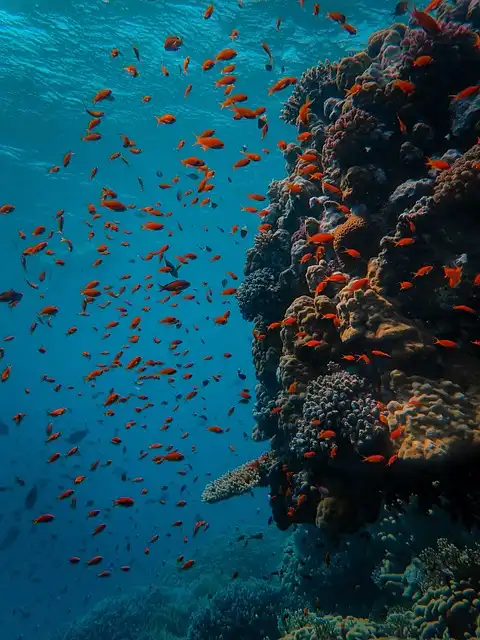
Overconfident scuba divers unknowingly damage coral reefs through physical contact, often five times more than estimated. Research reveals over 80% of harmful interactions are undetected, emphasizing the critical need for greater awareness and conservation efforts in marine environments.
Jake Buehler is a freelance scientific research writer, covering nature, wild animals conservation and Earth’s splendid biodiversity, from salamanders to sequoias. He has a master’s level in zoology from the University of Hawaii at Manoa.
Unseen Damage: Diver Overconfidence
Instead of poor intentions, overconfidence and a lack of situational awareness appear to be the crucial problems behind this. Regarding 75 percent of the divers ranked themselves as above standard in their diving capabilities and avoidance of reef impacts– all while touching the reefs five times more than they ‘d estimated. Wild animals sightings aggravated reef bumping, more than doubling the price of harmful contact.
Nevertheless, divers typically damage coral reefs by kicking or grabbing reefs or by troubling wild animals. “What’s much less comprehended is just exactly how unnoticeable much of this damages is to the people triggering the damage,” Lin states.
Fabio Favoretto, an aquatic ecologist at the University of Plymouth in England that was not included with the research study, notes that concerning 15 percent of the scuba divers never touched the reef in all, calling it a confident finding.
Investigating Diver Behavior
The scientists shot divers on the coral reef, logging their actions when they touched or harmed the coral reef. After the dives, the scientists spoke with the divers, asking them to approximate exactly how usually they called the reef and exactly how that contrasted with their peers.
Diving is frequently framed as one of the “good” means to use coral reefs due to the fact that it isn’t extractive, claims Bing Lin, an aquatic conservation researcher at the College of Sydney. The fish stay in the water, and scuba divers get to appreciate seeing them in the wild.
Regarding 75 percent of the scuba divers rated themselves as above standard in their diving capacities and avoidance of coral reef effects– all while touching the coral reefs 5 times more than they ‘d approximated. Wildlife sightings intensified coral reef bumping, more than doubling the rate of destructive call.
Scientific research Information was established in 1921 as an independent, nonprofit resource of exact info on the latest news of technology, medication and science. Today, our objective stays the very same: to empower people to examine the news and the globe around them. It is published by the Culture for Scientific research, a nonprofit 501(c)( 3) subscription organization dedicated to public involvement in scientific research study and education (EIN 53-0196483).
Conservation Insights & Future Steps
A vital next action, he claims, is to see whether scuba diver behavior is connected to measurable results on total reef health. What in fact takes place to a coral reef over five or one decade if it’s touched when every 4 mins?
Video analyses of scuba divers reveal that greater than 80 percent of damaging physical call with the reef is just undetected or unexpected, researchers report May 26 in Preservation Letters. The searchings for show that routine diving techniques aren’t safe.
The scientists shot divers on the reef, logging their habits when they touched or harmed the reef. After the dives, the scientists spoke with the scuba divers, asking them to estimate how typically they got in touch with the coral reef and exactly how that compared with their peers.
We are at an essential time and supporting environment journalism is more crucial than ever. Scientific research News and our parent organization, the Society for Science, require your aid to reinforce environmental literacy and ensure that our response to climate modification is notified by science.
1 Coral reef damage2 Diver awareness
3 Ecological research
4 marine conservation
5 Scuba diving impact
6 Underwater photography
« Animal Cruelty & Welfare: A Call for ActionBee Queen Cell Wax Secrets Revealed »