The Unstoppable Bruce: How a Disabled Kea Parrot Became the Alpha
Discover how Bruce, a kea parrot with half a beak, used unique strategies to become the alpha of his flock. This story from New Zealand challenges views on how disability impacts dominance in animal cultures.
Scientific research News was founded in 1921 as an independent, not-for-profit source of exact information on the latest information of medicine, science and innovation. Today, our goal remains the very same: to equip individuals to examine the information and the world around them. It is released by the Culture for Scientific research, a nonprofit 501( c)( 3) membership organization devoted to public involvement in clinical research and education (EIN 53-0196483).
And he is the very first disabled pet to be tape-recorded accomplishing a top condition within a team without assistance from an able-bodied ally. (Faben, an alpha male chimpanzee living at Gombe National Park in Tanzania, lost his leading rank after polio paralyzed his arm. He later on accomplished beta male status after developing a billing method to bat away equals and via forming an alliance with his brother, that changed him as alpha male.).
He and colleagues profiled Bruce’s social interactions with his flock (practically called a circus, showing the kea’s playful nature). Like various other parrots, kea have a social hierarchy, established through prominence communications such as dealing with, blowing or squawking up plumes.
We are at a critical time and sustaining environment journalism is more important than ever before. Science News and our parent organization, the Society for Science, need your help to enhance environmental literacy and make certain that our reaction to environment adjustment is informed by scientific research.
In many animal cultures, leading standing comes at a price. “An animal that is high up in the supremacy hierarchy needs to safeguard that placement regularly,” says Amalia Bastos, a relative psycho therapist at the University of St Andrews in Scotland that formerly researched Bruce. Alpha male baboons, as an example, show greater levels of stress metabolites called glucocorticoids.
The Rise of a Disabled Leader
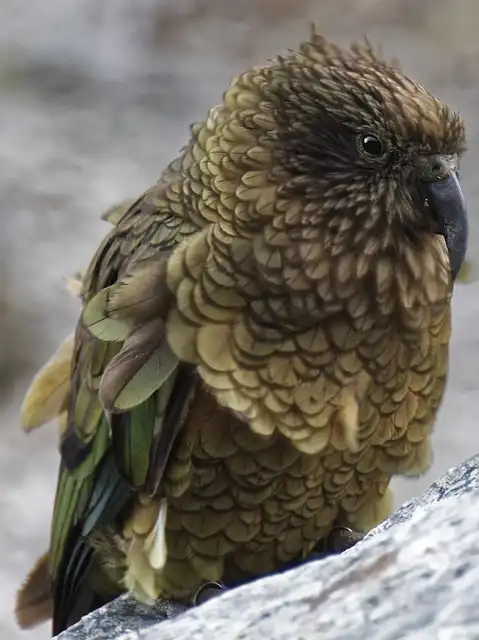
A parrot missing out on half his beak is top bird at New Zealand’s Willowbank Wild animals Reserve. The parrot, named Bruce, wins every fight with various other kea parrots and gets concern accessibility to food, scientists report April 20 in Current Biology. The finding challenges presumptions about exactly how impairment affects supremacy in animal cultures and shows that cutting-edge behaviors can outweigh physical downside.
Willowbank’s kea parrots live in a large aviary with trees and a stream. When they find Bruce, they always make the very same remark, claims Alex Grabham, a behavior ecologist at the University of Canterbury in Christchurch.
Social Rewards and Grooming Benefits
Bruce’s soaring social placement features rewards. Various other male kea preen Bruce, helping him clean parts of his beak he can not get to. This behavior is extremely unusual amongst kea, which usually groom just their companions. The lower one more male’s rank, the more probable they were to preen Bruce. This habits mimics ordered grooming seen in primates.
The parrot, named Bruce, wins every fight with various other kea parrots and gets priority accessibility to food, researchers report April 20 in Current Biology. While various other kea had a tendency to count exclusively on kicking to push back other birds, Bruce supplemented his kicks with a special jousting strategy that manipulated his revealed lower beak. Other male kea preen Bruce, assisting him tidy parts of his beak he can not get to. Bruce, it transforms out, was the most cool kea in the circus. It isn’t yet clear why, however Grabham assumes that Bruce is so leading that other kea do not install any kind of significant difficulties to his throne.
As another kea strategies, Bruce (seen below on the right) jabs with his half a beak, a dealing with design that has actually assisted the handicapped parrot win alpha condition among his circus at Willowbank Wildlife Book in New Zealand.Ximena Nelson
Bruce, it turns out, was the most chill kea in the circus. It isn’t yet clear why, but Grabham thinks that Bruce is so dominant that various other kea do not place any kind of major obstacles to his throne.
Innovative Battle Tactics and Survival
An unusual battle strategy was also vital to Bruce’s success. While other kea tended to rely entirely on kicking to fend off other birds, Bruce supplemented his kicks with an one-of-a-kind jousting strategy that manipulated his subjected lower beak. Grabham’s group recorded 109 extra agonistic experiences between Bruce and various other birds. Throughout these, Bruce kicked slightly more than he jousted, yet the latter strike was a lot more reliable, repelling his opponent 73 percent of the moment, compared with just 48 percent when he kicked.
It’s vague whether Bruce would have grown in a wild circus to the same degree he contends Willowbank. Bastos explains that with his damaged beak, Bruce might fight with harder foods throughout the wintertime. Additionally, most kea circuses are fluid in their hierarchy, as birds sign up with and depart teams throughout the year. In the meantime, in Willowbank’s stringent hierarchy, Bruce is the boss.
Lower-ranked birds likewise offered Bruce first dibs on food. The circus’s food was spread mainly between four central feeders. Over the 4 weeks that Grabham’s team evaluated Bruce, he consumed initially at those feeders 83 percent of the moment. On 4 days, the other birds provided Bruce 15 mins of undisturbed alone time with all 4 feeders before eating his leftovers.
1 animal dominance2 bird behavior
3 kea
4 nature
5 New Zealand wildlife
« Why Cats Don’t Chew Food: Understanding Regurgitation and Feeding TipsUnearthing Giant Cretaceous Octopuses: Apex Predators from Fossil Jaws »