Sacrificial Love: Wood-Feeding Cockroaches Eat Each Other’s Wings to Bond
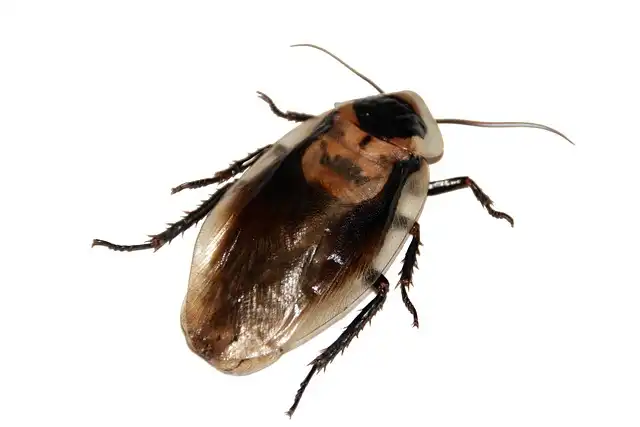
The cockroach Salganea taiwanensis cements its monogamous bond through mutual wing-eating. This unique ritual results in wingless pairs that aggressively defend their nests and raise offspring together for years.
A single wood-feeding roach has wings (like the one on the right) and can fly. Yet a roach that has settled down will bond with its companion– by consuming the wings off each various other, leaving the pair wingless (like the one on the left). H. Osaki and E. Kasuya/Ethology 2021
Sacrificial Rituals in the Insect World
Human beings could show commitment with a ring, penguins offer possible mates rocks and some beetles gift a ball of dung. Wood-feeding cockroaches reveal dedication with a nibble of cannibalism– and then a lot of hostility.
Osaki wanted to recognize just how this wingless state might influence the pair’s actions. She and her coworkers examined pairs of cockroaches, some that had actually eaten their partner’s wings and some that had not. Each pair was given a nest and afterwards presented to intruders.
The Life Cycle of Salganea Taiwanensis
The wood-feeding roach Salganea taiwanensis can live for up to 5 years, and forms long-lasting monogamous pairs, claims Haruka Osaki, a behavior environmentalist at the Gallery of Nature and Human Tasks in Hyōgo, Japan. When devoted, the roaches will develop a nest and elevate children together, cohabitating for the rest of their lives.
We are at a crucial time and supporting science journalism
is more vital than ever. Science Information and our
parent organization, the Culture for Science, require your help to reinforce
clinical literacy and ensure that important societal choices are made
with scientific research in mind.
It could be practical, as the nests the animals develop are in rotten timber where wings can get caught, states Lars Chittka, a behavior environmentalist at Queen Mary College of London that was not entailed in the study. Or the chemicals released as the pets eat could help them discover the trademark of their partner.
After a routine in which breeding roaches chomp off each various other’s wings, the pair violently deny all various other prospective companions or trespassers. The searchings for, released March 4 in Royal Culture Open Science, offer evidence that pair-bonding is not restricted to animals with spinal columns. Pests can reveal strong commitment, also.
Scientific research News was started in 1921 as an independent, not-for-profit resource of exact information on the latest news of innovation, scientific research and medicine. Today, our mission stays the very same: to encourage individuals to review the news and the globe around them. It is published by the Culture for Scientific research, a not-for-profit 501(c)( 3) membership company devoted to public engagement in clinical research study and education (EIN 53-0196483).
Haruka Osaki, a gifted artist in addition to scientist, attracted these 2 cockroaches in the procedure of “delicately” eating each other’s wings off, a job that can occur at any point throughout the breeding and pairing process.
Practical Benefits of Losing Wings
It might be practical, as the nests the pets build are in rotten timber where wings might obtain trapped, claims Lars Chittka, a behavioral environmentalist at Queen Mary College of London that was not included in the research. A roach that has actually worked out down will certainly bond with its companion– by eating the wings off each various other, leaving the set wingless (like the one on the left). She and her associates examined sets of roaches, some that had actually consumed their partner’s wings and some that had not.
But to signify that dedication, a sacrifice is required. The roaches can fly– up until they make a decision to calm down. To pair, a male and female will carefully eat each other’s wings off in the past, throughout or after mating.
The wingless animals might behave in different ways if their companion is out of the means, though that continues to be to be examined. However the actions is “perhaps the crispest presentation of a ‘bond like'” pairing in a pest until now, Chittka says. The cockroaches go beyond just parenting with each other to actively sticking together.
United Against Potential Intruders
After a routine in which breeding cockroaches nibble off each various other’s wings, the set violently reject all various other prospective friends or intruders. To pair up, a male and female will gently consume each various other’s wings off in the past, throughout or after mating.
In eight pairs that had not eaten on each other, only one male attacked a getting into man. After wing eating, it was two versus the globe. Combined men and women tolerated just each other and rammed any type of strangers like tiny insectoid bulls. The cockroaches even struck other bugs of the opposite sex that might previously have been considered prospective companions. The other would wag their abdominal areas or dig in the nest nearby in assistance if only one partner attacked.
1 animal behavior2 Cockroaches
3 Entomology
4 Monogamous pairs
5 Wing eating ritual
« Rhythmic Communication: How Caterpillars Manipulate Ants with VibrationsKoala Genetic Comeback: Victoria’s Population Recovers Diversity »