
Cats’ Scent Secrets: How They React to Familiar & Unfamiliar Human Odors
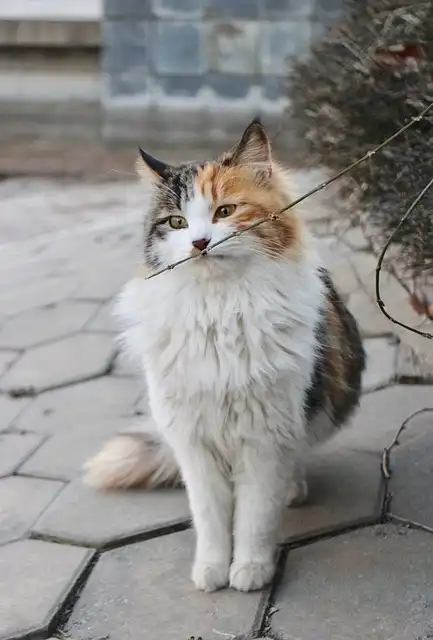
A study found cats spend significantly longer exploring unfamiliar human scents than owner's, revealing their superior olfactory senses and exploratory behavior. While they can differentiate, individual recognition by scent remains unclear, opening avenues for future research.
” I assume it makes sense that the research located pet cats invest more time seeking an unfamiliar smell compared to an odor obtained from their owner,” he claims. “We know that several pets with a superior sense of scent can censure different aspects of odors to procedure. Spending even more time with an unfamiliar one so their olfactory detects can select it apart and choose what to do with it makes good sense.”
Cats.com makes use of top notch, trustworthy sources, including peer-reviewed studies, to support the insurance claims in our articles. This material is regularly evaluated and upgraded for accuracy. See our Concerning United States page to discover our standards and satisfy our vet review board.
Research Methodology & Setup
The researchers provided each feline with plastic tubes consisting of a swab. Each tube had a swab including the fragrance of the pet cat’s owner, or a swab consisting of the scent of an unidentified person of the exact same sex as the cat’s proprietor, or a tidy swab.
“How cats utilize their best or left nostril is definitely interesting from a viewpoint of exactly how this may mean they use different sides of their mind to process various odors, and exactly how this compares to other pets– though less suitable, I assume, to what this implies to their partnerships with people,” he states.
Kellie B. Gormly– A kitten and cat rescuer and foster mom whose nickname is “Mommy Catresa”– is an acclaimed professional reporter who freelances for nationwide publications, including The Washington Blog post, History.com, Lady’s World, and FIRST for Women. She is a previous personnel writer for the Pittsburgh Tribune-Review, the Associated Press, and the Fort Worth Star-Telegram … Sight more
Kellie B. Gormly– A kittycat and cat rescuer and foster mom whose label is “Mother Catresa”– is an acclaimed expert journalist who freelances for nationwide publications, consisting of The Washington Article, History.com, Female’s World, and FIRST for Women. She is a previous personnel writer for the Pittsburgh Tribune-Review, the Associated Press, and the Ft Worth Star-Telegram.
Cats.com is a participant in the Amazon Solutions LLC Associates Program, an affiliate advertising program designed to supply a means for websites to earn marketing costs by advertising and marketing and linking to Amazon.com. Each time you purchase through one of our independently-chosen web links, we’ll obtain a portion of the proceeds. Find out more right here.
Key Findings: Cats’ Olfactory Preferences
Feline topics spent a few secs much longer smelling the tubes having the aroma of complete strangers (about 4.82 seconds), compared to tubes with their owners’ aromas (regarding 2.40 secs) or a swab without human aroma (concerning 1.93 seconds). This is in agreement with unscientific proof, the scientists say.
“I believe it makes sense that the study found cats spend more time sniffing out an unknown smell contrasted to a smell gotten from their proprietor,” he says.
“While they were able to make some conclusions– pet cats without a doubt spend much less time checking out smells they may know with currently– the writers noted that this is just the idea of the iceberg for comprehending some aspects of a cat’s olfactory detects and just how it associates with their individuality and actions,” he claims.
The study– Behavioral Responses of Domestic Cats to Human Odor, from the Tokyo College of Agriculture– uncovered that pet cats invested a dramatically longer time smelling tubes which contained the scent of unfamiliar people than tubes with their humans’ fragrance. And it’s not surprising that they can tell the difference, offered the feline’s solid feeling of smell: Cats have more than 200 million fragrance receptors in the nose, which is greater than 40 times as much as we human beings have!
Detailed Experimental Procedure
For the research study, Japanese researchers used 30 cats to test their reactions– 11 males and 19 women, 25 of which were purified or sterilized. The researchers presented each pet cat with plastic tubes having a swab. Each tube had a swab having the fragrance of the cat’s proprietor, or a swab containing the fragrance of an unidentified person of the exact same sex as the feline’s proprietor, or a clean swab. The swabs gathered aromas by individuals rubbing them under their armpits, behind their ears, and in between their toes.
The researchers also noted that, after sniffing televisions, the felines rubbed their faces versus televisions– and as we cat people all know, cats like to scrub their faces on us and on points! This recommends that scenting things might be an exploratory behavior for felines.
Interpreting Results & Future Research
While the research results recommend that felines can tell the difference in between the aromas of acquainted and unknown people, the researchers warn that it is unclear whether pet cats can recognize certain individuals by scent.
“This research is fascinating, attempting to damage down the intricacies of feline habits and their communications with people, particularly with their owners,” claims Dr. Chris Vanderhoof, a veterinarian. “We understand a cat’s sense of scent is often times much better than our very own, and they use it in methods to explore their setting that we can rarely envision.”
1 cat behavior2 familiar scents
3 feline olfactory senses
4 human scent
5 pet research
6 unfamiliar odors
« North Atlantic Right Whale Decline: Threats, Conservation & Recent DeathsDiscovering Russian Cat Breeds: From the Majestic Siberian to the Russian Blue »