
Nightjars’ Feathered Symphony: Unlocking Avian Sound Secrets
Researchers discovered how male scissor-tailed nightjars create loud mating calls by flapping wing bones, not vocalizations. This unique method adds them to a select group of birds using body percussion for communication.
Nightjars are largely nocturnal, insect-eating birds associated with swifts and hummingbirds. H. torquata men are unusual for their incredibly long, combined tail feathers. These males were currently understood to make eruptive cracking sounds at night as a mating signal to any close-by ladies. Yet little was recognized regarding exactly how they were doing it, says Juan Ignacio Areta, a transformative biologist at Instituto de Biography y Geociencias del Noroeste Argentino in Salta, Argentina.
H. torquata men are uncommon for their extremely long, combined tail plumes. These men were already understood to make explosive fracturing sounds at evening as a mating signal to any type of neighboring ladies. Occasionally the males did this while flying or while mating with a woman. Participants of this percussion band consist of male Siberian grouch (Falcipennis falcipennis), which strike their uniquely designed wing feathers with each other. Male riflebirds scuff their bill across their wings like a wooden rasp.
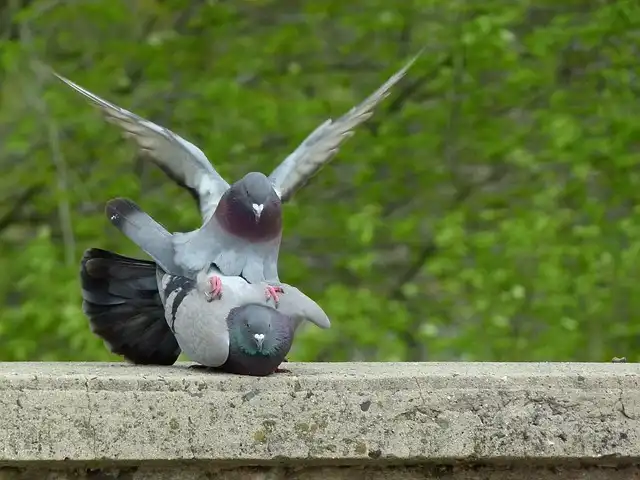
In the middle of the night, male scissor-tailed nightjars noisally clack their wing bones with each other when wooing friends, much as this set is doing along a rural, forest road.Juan Ignacio Areta and Christopher Clark
In late 2022, Areta and Christopher Clark– a behavioral environmentalist at the University of California, Waterfront– secretly filmed the male birds during the night along a forest roadway near Salta. They utilized high-speed infrared electronic cameras and afterwards contrasted the footage to the audios they were taping.
We are at an important time and sustaining scientific research journalism
is more vital than ever before. Scientific research Information and our
parent organization, the Culture for Science, need your assistance to reinforce
scientific proficiency and ensure that vital societal decisions are made
with scientific research in mind.
Sometimes the males did this while flying or while mating with a female. The birds weren’t just hitting their plumes together.
Jake Buehler is a freelance science writer, covering nature, wild animals preservation and Earth’s fantastic biodiversity, from salamanders to sequoias. He has a master’s degree in zoology from the College of Hawaii at Manoa.
Scientific research News was established in 1921 as an independent, nonprofit source of accurate details on the current news of science, medicine and innovation. Today, our objective continues to be the same: to empower people to review the information and the world around them. It is published by the Culture for Science, a not-for-profit 501(c)( 3) subscription company devoted to public interaction in scientific research study and education (EIN 53-0196483).
“Several nocturnal animals are popular for being exceptionally silent, such as the ‘quiet’ trip of owls,” Areta says. “We wished to discover just how it was feasible for a nighttime animal to make these loud noises.”
The findings add scissor-tailed nightjars to a listing of birds that use their bodies, not their voices, to make audio. Members of this percussion band include male Siberian grouse (Falcipennis falcipennis), which strike their distinctively designed wing plumes with each other. Male riflebirds scratch their bill across their wings like a wood rasp. Some manakins– vivid birds in the tropical Americas– are the only various other birds known to snap their wrists together like the nightjars, Areta claims.
1 animal communication2 bioacoustics
3 bird sounds
4 mating signals
5 nightjars
6 wing percussion
« Bonqat (Pregabalin) for Cats: Sedation for Vet Visits & TravelAncient Squirrel Poop Reveals Pleistocene Yukon Ecosystem & DNA Secrets »